FinTech Software Development.
We design and build financial software that moves real money: payment and settlement systems, trading platforms, banking and investment applications, and the analytics and compliance layers around them. Security, auditability and regulatory requirements are part of the architecture from day one, not a late-stage patch.
Discuss your projectProducts we build.
Specific products we have shipped more than once, with scope, timelines and budgets you can plan around.
When teams come to us.
Most fintech requests fall into three groups. A startup needs a compliant MVP that can survive due diligence from investors and banking partners. An established business is replacing a legacy core or a vendor platform that no longer scales. Or a product team has the domain knowledge but lacks engineers who have shipped payments, KYC/AML flows and real-time market data before. In all three cases the hard part is not the UI — it is ledgers, reconciliation, idempotency, latency and audit trails.
How we approach financial software.
We start from the money flow and the regulatory perimeter: which entities hold funds, which transactions must be reversible, what evidence an auditor will ask for. From that we derive a double-entry ledger model, event sourcing where it pays off, and clear boundaries between the hot path (orders, payments) and reporting. Front ends are built in Next.js and TypeScript, backends in Python or Node.js, with PostgreSQL as the system of record. Every service ships with structured logging, tracing and automated tests for the financial invariants.
Delivery process.
- 01
Discovery: money flows, regulatory constraints, integrations and success metrics in a 1–2 week workshop
- 02
Architecture and threat model: ledger design, data residency, key management and the compliance evidence you will need
- 03
Iterative delivery in two-week sprints with demo environments and automated test suites for financial logic
- 04
Security review, load testing and a launch runbook; optional long-term support and feature roadmap
What We Offer
- 01
Payment & Banking Rail Integrations
- 02
Cross-Border Settlement
- 03
Remittance Platforms
- 04
KYC / AML & Compliance Flows
- 05
Reconciliation & Operator Tooling
- 06
Trading Platforms
Technology stack
- Next.js, React, TypeScript
- Python (FastAPI), Node.js
- PostgreSQL, Redis, event streams
- Stripe, open banking and PSP integrations
- KYC/AML providers, 2FA, audit logging
- Docker, CI/CD, cloud infrastructure
Frequently asked questions.
01How much does fintech software development cost?
A focused MVP — one core flow such as payments or trading, with KYC and an admin panel — typically starts in the range of 40–80k USD and takes 3–5 months. Platforms with multiple asset classes, several integrations and reporting are scoped individually. After a discovery call we provide a fixed estimate for the first milestone.
02Do you have experience with compliance requirements such as KYC/AML or PCI DSS?
Yes. We integrate KYC/AML providers, design audit trails and data-retention policies and keep card data out of scope by using tokenising payment providers. We are not a law firm, so we work alongside your compliance advisor and translate requirements into technical controls.
03Can you work with our existing team and codebase?
Yes. About half of our fintech engagements are team extensions or modernisations of existing systems. We start with a code and architecture review, agree on conventions and ship within the first sprint.
04Which fintech products have you built?
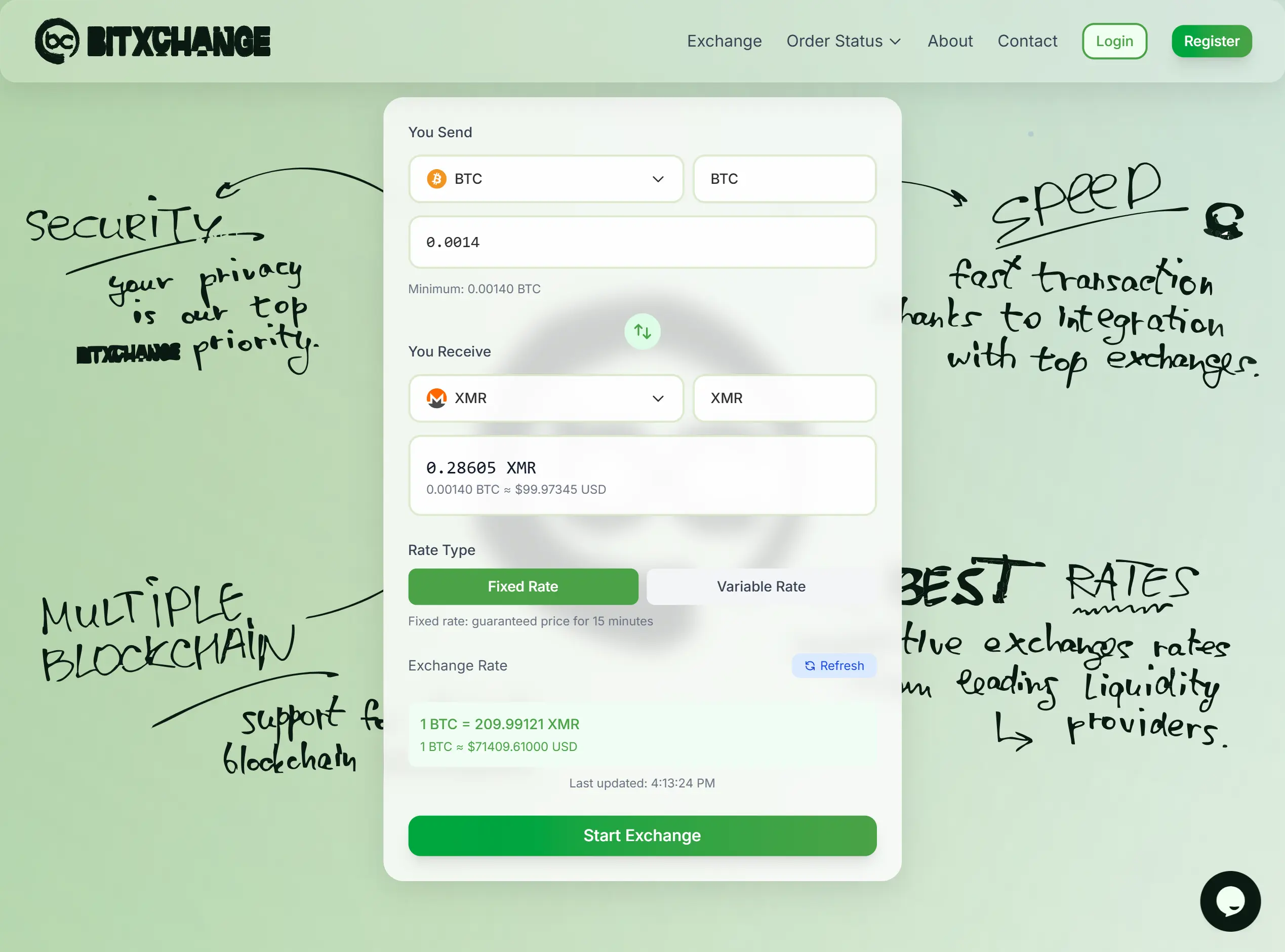
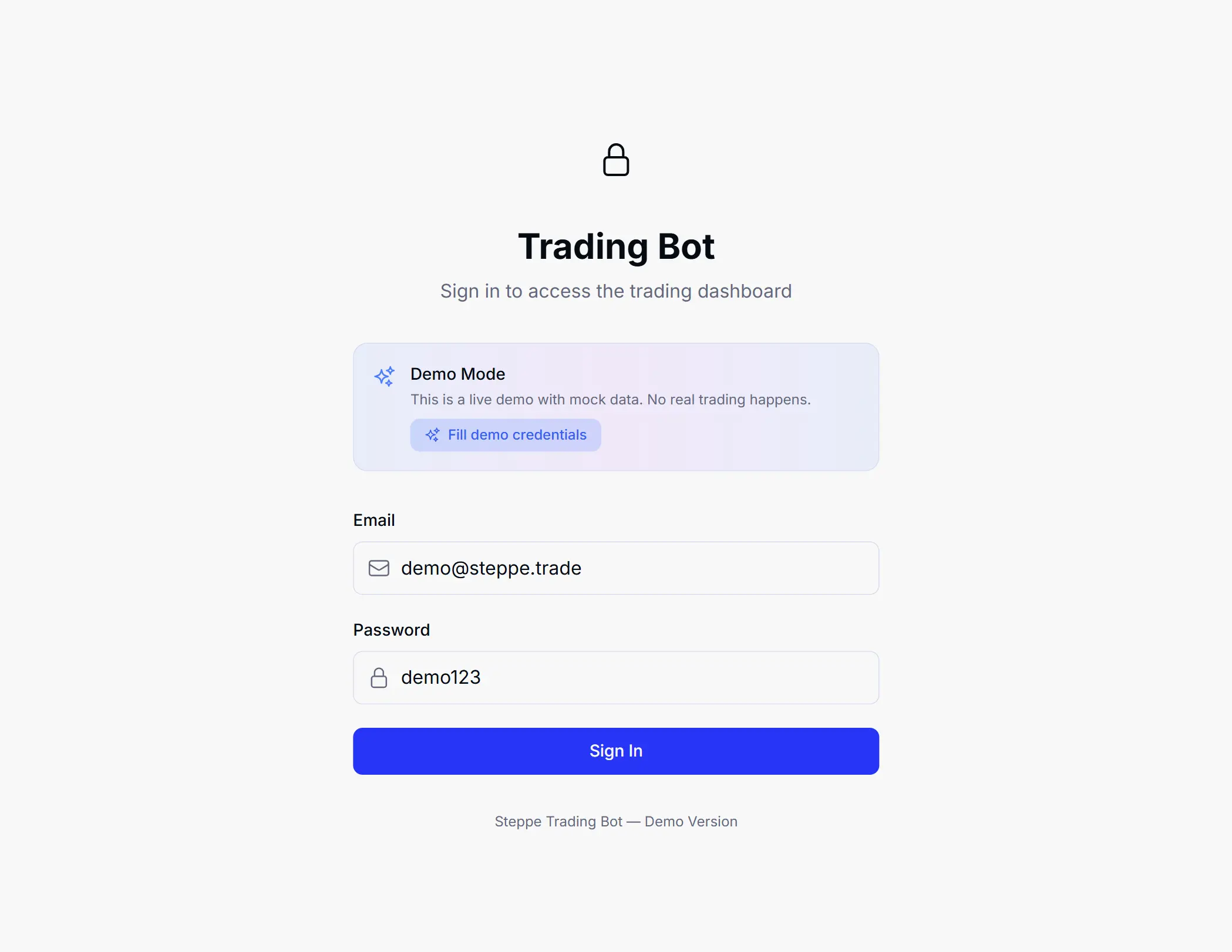
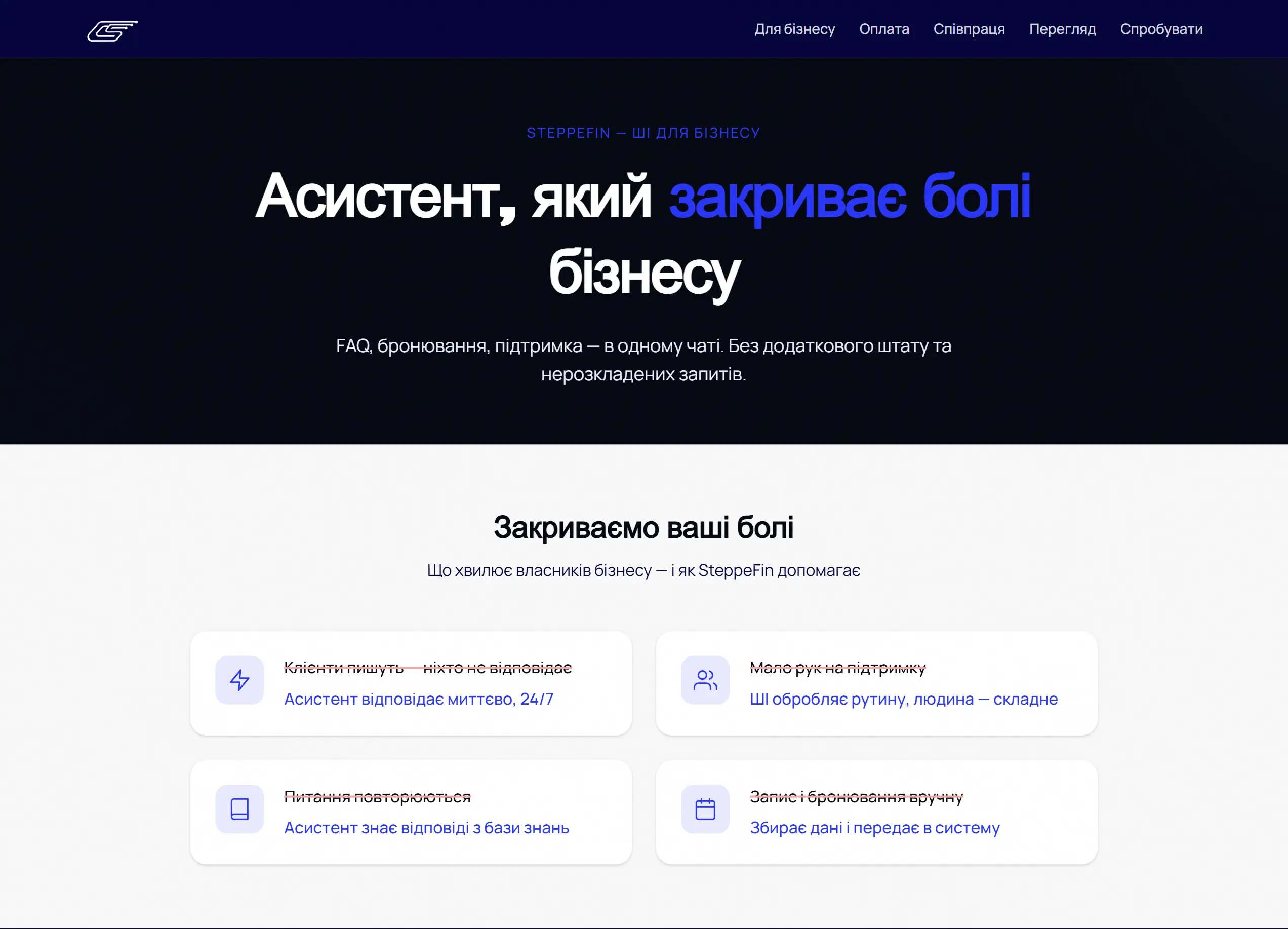
A crypto-to-crypto exchange with a large number of trading pairs, a real-time trading dashboard for automated strategies, and an AI-assisted finance platform, among others. See the case studies linked on this page.
05How do you ensure the security of financial applications?
Threat modelling at the design stage, least-privilege infrastructure, secret management, dependency scanning, mandatory code review and automated tests for money-moving logic. Before launch we run penetration tests with partners or your chosen vendor.
Blog.
Have a project in mind?
Send us a short brief. Within 24 hours you will hear back from an engineer, not a sales script, with questions, a rough scope and a suggested next step.