Web3 & Blockchain Development.
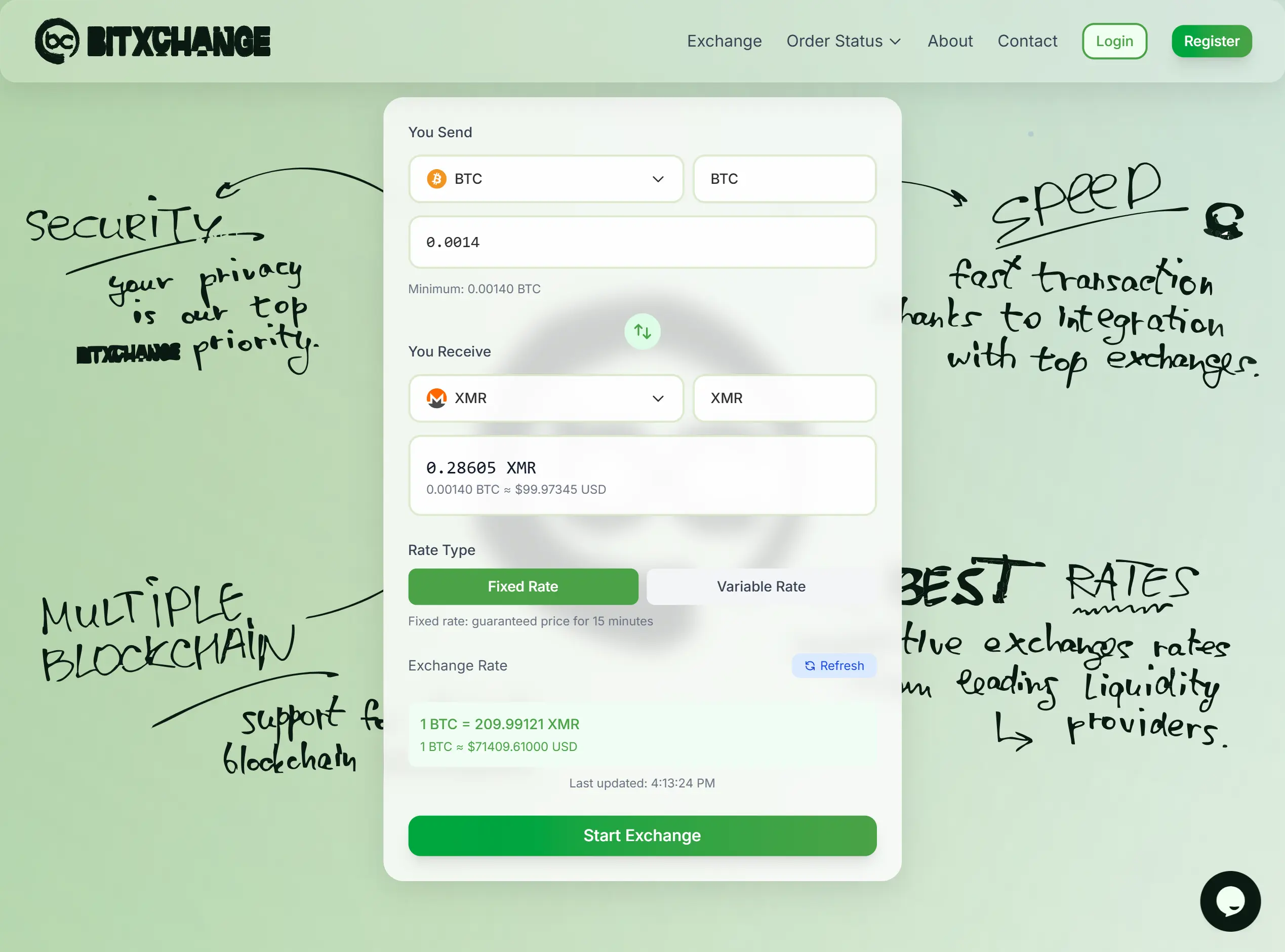
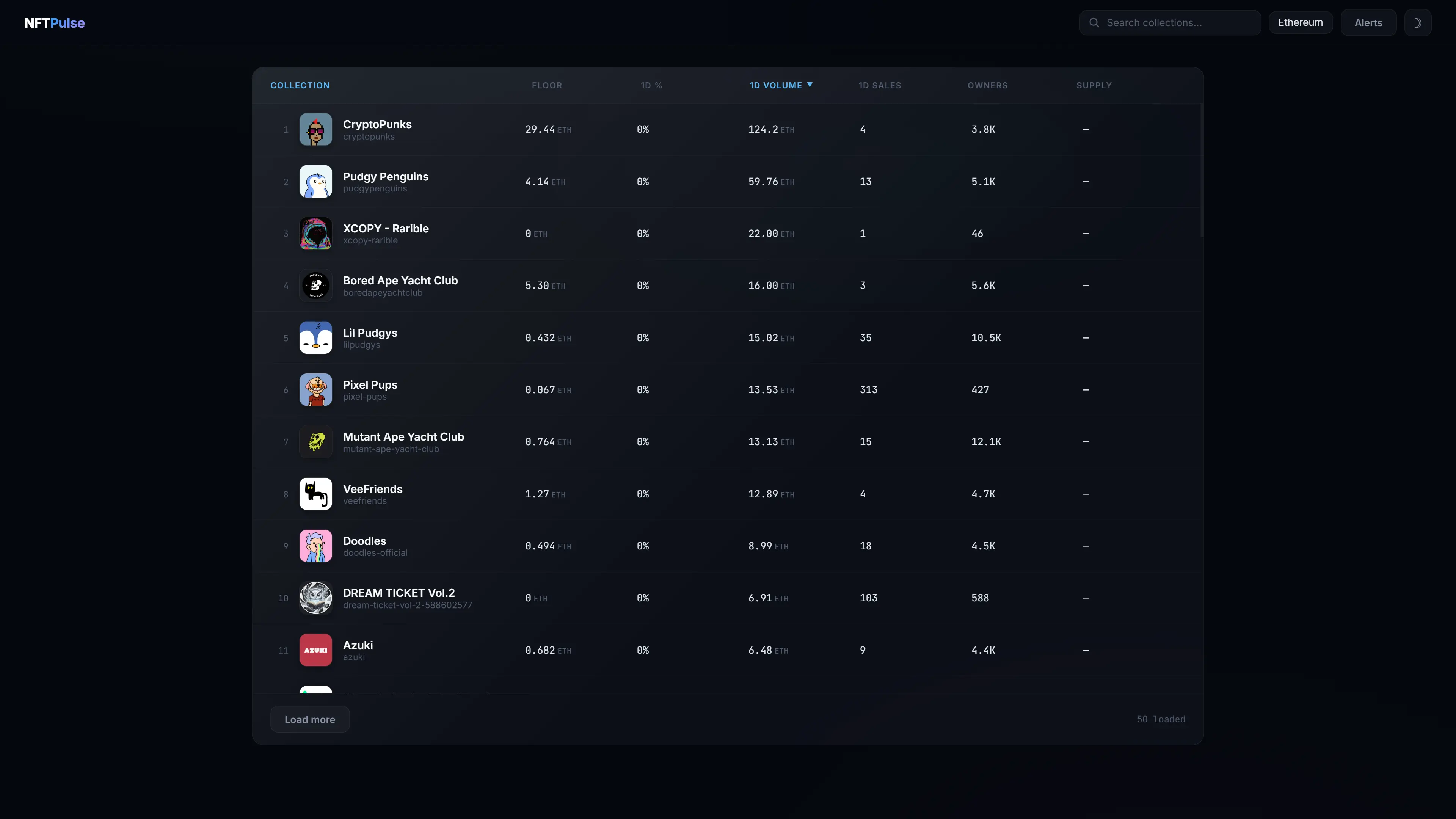
We build production Web3 products end to end: smart contracts, the backend infrastructure that indexes and serves on-chain data, and the web applications users actually touch. From a centralised exchange engine to a DeFi protocol or an NFT marketplace, we focus on the parts that fail in the wild — key management, transaction reliability, gas efficiency and security.
Discuss your projectProducts we build.
Specific products we have shipped more than once, with scope, timelines and budgets you can plan around.
Typical projects.
Founders launching a token or protocol who need contracts that pass an audit the first time. Exchanges and brokers adding crypto rails to an existing fintech product. Companies building marketplaces, loyalty systems or tokenised assets where blockchain is a component, not the whole story. In every case we ask whether on-chain is the right place for each piece of logic, and keep the rest in a conventional, testable backend.
How we build Web3 products.
Contracts are written in Solidity with Foundry or Hardhat, covered by unit, fuzz and invariant tests and prepared for third-party audit. Off-chain services in Python or Node.js handle indexing, order matching, custody integrations and notifications with retries and idempotency built in. Front ends use Next.js with wagmi/viem and WalletConnect for wallet connectivity. We deploy with multisig-controlled upgrade paths and monitoring on every contract and RPC dependency.
Delivery process.
- 01
Protocol and tokenomics review: what belongs on-chain, which chains, which standards (ERC-20/721/1155/4626)
- 02
Contract architecture, access control and upgradeability decisions documented before a line of code
- 03
Development with full test coverage, gas optimisation and internal security review; audit coordination
- 04
Testnet rollout, mainnet deployment via multisig, monitoring, incident runbooks and post-launch support
What We Offer
- 01
Smart Contracts
- 02
DeFi Protocols
- 03
NFT Marketplaces
- 04
DAOs
- 05
Token Development
- 06
Blockchain Integration
Technology stack
- Solidity, Foundry, Hardhat, OpenZeppelin
- EVM chains: Ethereum, Polygon, Arbitrum, BNB Chain, Base
- wagmi, viem, ethers.js, WalletConnect
- Python (FastAPI), Node.js indexers and matching engines
- The Graph, custom indexers, IPFS
- Next.js, TypeScript, PostgreSQL, Redis
Frequently asked questions.
01How long does it take to build a crypto exchange?
A centralised exchange MVP — spot trading for a curated set of pairs, wallets with hot/cold separation, KYC and an admin console — takes 4–6 months with a team of 4–6 engineers. A DEX front end on top of existing protocols can be delivered in 6–10 weeks.
02Do you audit smart contracts?
We perform internal security reviews and write extensive tests, but for mainnet launches we recommend an independent audit. We prepare the codebase, documentation and threat model for the auditor, then fix and re-test findings.
03Which blockchains do you support?
Primarily EVM-compatible networks (Ethereum, Polygon, Arbitrum, Base, BNB Chain). We have also integrated Bitcoin, Tron and Solana for deposits and withdrawals in exchange projects.
04Can you integrate crypto payments into an existing product?
Yes. We add crypto deposit, withdrawal and payment flows to existing fintech and e-commerce systems, including address generation, confirmation tracking, fiat conversion and accounting exports.
05What does Web3 development cost?
A token with a vesting contract and a landing page starts around 10–15k USD. DeFi protocols, marketplaces and exchanges are scoped after discovery; a typical first milestone is 30–60k USD.
Blog.
Have a project in mind?
Send us a short brief. Within 24 hours you will hear back from an engineer, not a sales script, with questions, a rough scope and a suggested next step.